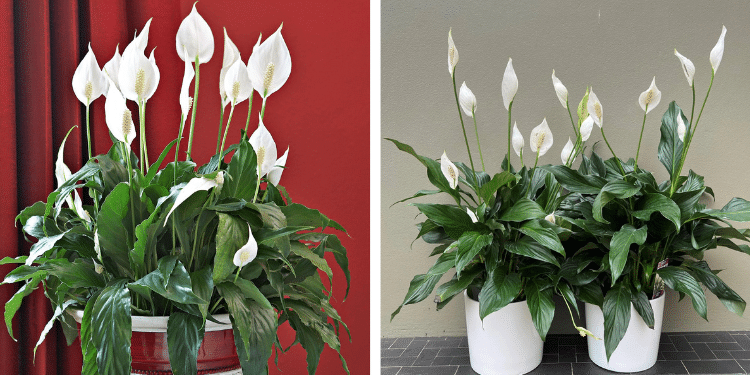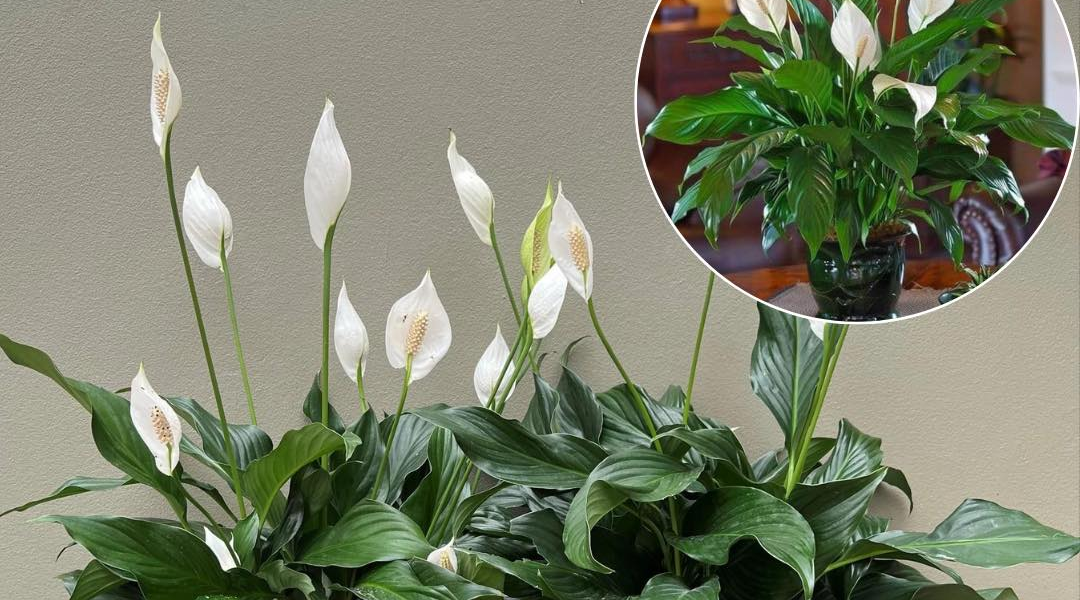
So lassen Sie eine Friedenslilie kontinuierlich blühen (nicht nur einmal im Jahr)
Friedenslilien (Spathiphyllum) sind berühmt für ihre eleganten weißen Blüten und glänzend grünen Blätter, doch für viele Pflanzenbesitzer erscheinen diese Blüten einmal –, vielleicht zweimal – und verschwinden dann für Jahre.
Die Pflanze bleibt am Leben, die Blätter sehen gesund aus, aber die Blüten kehren nie zurück. Dies führt zu der weit verbreiteten Annahme, dass Friedenslilien nur gelegentlich oder nur dann blühen, wenn sie “Lust dazu haben.”
Die Wahrheit ist ganz anders.
Friedenslilien sind durchaus dazu in der Lage Das ganze Jahr über immer wieder blühend Wenn ihre Bedürfnisse konsequent erfüllt werden. Bei der Dauerblüte geht es nicht um Glück oder geheime Tricks.Es geht darum zu verstehen, wie Friedenslilien wachsen, was tatsächlich Blüten auslöst und warum die meisten Häuser versehentlich das Blühen verhindern, ohne es zu merken.
Verstehen Sie zunächst, warum Friedenslilien nicht mehr blühen
Bevor das Problem behoben wird, hilft es zu verstehen, was passiert.
Eine Friedenslilie hört nicht auf zu blühen, weil sie stur oder alt ist. Es hört auf zu blühen, weil Es fehlt etwas Wesentliches(auch wenn die Pflanze sonst gesund aussieht.
Die Blätter können jahrelang üppig bleiben, während der Pflanze stillschweigend die Energie oder Signale fehlen, die für die Blütenproduktion erforderlich sind.
Die häufigsten Gründe, warum Friedenslilien nicht wieder aufblühen, sind:
- Unzureichendes Licht
- Unsachgemäße Befruchtung
- Übergroße Töpfe
- Ständiger Stress durch Gießfehler
- Fehlen saisonaler Hinweise
Sobald diese korrigiert sind, nimmt die Blüte normalerweise innerhalb weniger Wochen wieder – auf.
Wie sich tatsächlich Friedenslilienblumen bilden
Friedenslilienblüten sind keine echten Blumen. Das weiße “petal” ist ein Spathe, der einen zentralen Dorn namens Spadix umgibt. Die Herstellung dieser Strukturen erfordert einen erheblichen Energieaufwand.
Friedenslilien blühen nur, wenn:
- Sie verfügen über überschüssige Energie, die über das grundlegende Überleben hinausgeht
- Wurzeln sind gesund und aktiv
- Blätter können effizient photosynthetisieren
- Die Umweltbedingungen bleiben stabil
If the plant is using all its energy just to maintain leaves, it will not bloom. Continuous flowering happens only when the plant consistently has more energy than it needs to survive&.
The #1 Key to Continuous Peace Lily Blooms: Light (Without Sunburn)
Light is the single most important factor in peace lily flowering – and also the most misunderstood.
Peace lilies are often labeled as “low-light plants.” While they tolerate low light, they do not bloom well in it.
In low light:
- Leaves survive
- Growth slows
- Flower production stops
For continuous blooms, peace lilies need bright, indirect light.
The ideal setup:
- Near an east-facing window
- A few feet back from a south-facing window with sheer curtains
- Bright room with natural daylight most of the day
Direct sunlight can scorch leaves, but bright indirect light dramatically increases the plant’s ability to bloom again and again.
If your peace lily hasn’t bloomed in months or years, improving light alone often solves the problem.
Why Pot Size Matters More Than You Think
One of the biggest mistakes preventing peace lily blooms is overpotting.
Peace lilies bloom best when they are slightly root-bound. When placed in a pot that’s too large:
- The plant focuses on growing roots and leaves
- Energy is diverted away from flowering
- Soil stays wet longer, increasing stress
A peace lily that feels “snug” in its pot is far more likely to bloom than one swimming in excess soil.
Signs your pot is too large:
- Soil stays wet for many days
- Lots of leaves but no flowers
- Slow overall growth
If your peace lily hasn’t bloomed since being repotted into a much larger container, this is often the reason.
Watering the Right Way (Stress That Encourages Blooms)
Peace lilies like consistent moisture – but not constant wetness.
Counterintuitively, slight, controlled stress helps trigger flowering.
When peace lilies are kept constantly wet:
- Roots become lazy
- Oxygen levels drop
- Flowering hormones are suppressed
The best approach is a gentle dry–water cycle.
Let the top few centimeters of soil dry slightly before watering again. The plant may droop a little – this is normal and even beneficial. Once watered, it should perk up within hours.
This cycle mimics natural conditions and encourages the plant to move from leaf growth into reproductive mode.
Fertilizer: The Missing Bloom Trigger in Most Homes
Many peace lilies never rebloom simply because they are underfed.
Over time, soil nutrients are depleted. Without sufficient phosphorus and micronutrients, the plant can’t support flower formation – even in perfect light.
For continuous blooms:
- Use a balanced houseplant fertilizer or one slightly higher in phosphorus
- Feed lightly but consistently during active growth
- Reduce feeding in winter, but don’t stop entirely if growth continues
A diluted fertilizer applied every 4–6 weeks during spring, summer, and early fall is usually enough.
Overfertilizing causes leaf burn and root stress, so restraint is essential.
Why “Bloom Booster” Fertilizers Sometimes Work
Many people report peace lilies blooming after using bloom booster fertilizers. This happens not because the fertilizer is magic, but because it corrects a phosphorus deficiency.
Phosphorus supports:
- Flower bud formation
- Energy transfer within the plant
- Root-to-flower communication
If your peace lily has healthy leaves but never blooms, a gentle phosphorus boost can make a dramatic difference -especially when combined with better light.
Temperature Stability: An Overlooked Bloom Factor
Peace lilies are tropical plants. They don’t like surprises.
Sudden temperature changes from:
- Cold drafts
- Heating vents
- Open windows in winter
can suppress flowering even if everything else is correct.
Ideal temperatures:
- Day: 18–26°C (65–78°F)
- Night: slightly cooler, but stable
Consistency matters more than warmth. A peace lily in a stable environment blooms more reliably than one exposed to constant fluctuations.
Humidity Helps, But It’s Not the Main Driver
Peace lilies appreciate humidity, but it’s rarely the main reason they fail to bloom.
Low humidity may cause:
- Brown leaf tips
- Slightly slower growth
But it usually doesn’t prevent flowering on its own.
Moderate humidity, achieved by grouping plants or using a pebble tray, is sufficient. Avoid over-misting, which can cause fungal issues without improving blooms.
Pruning Old Flowers to Encourage New Ones
When a peace lily finishes blooming, the spent flower should be removed.
Cut the flower stem:
- As low as possible near the base
- Using clean scissors
Leaving old flowers in place drains energy that could be used for new blooms. Removing them signals the plant to redirect resources.
This simple step alone can shorten the time between blooms.
The Role of Seasonal Light Changes
Peace lilies respond to seasonal changes even indoors.
Many plants bloom most heavily in spring and summer because:
- Light intensity increases
- Day length extends
- Growth hormones rise naturally
You can take advantage of this by:
- Gradually increasing light exposure in late winter
- Beginning light feeding as days lengthen
Peace lilies often respond with a new flush of blooms when conditions align.
Why Healthy Leaves Matter More Than You Realize
Every bloom is powered by the leaves.
Large, deep-green leaves mean:
- Strong photosynthesis
- Efficient energy production
- Higher flowering potential
If leaves are pale, small, or slow-growing, the plant simply doesn’t have the energy to bloom.
Improving leaf health through light, proper watering, and nutrition is the foundation of continuous flowering.
Common Mistakes That Prevent Continuous Blooms
Even experienced plant owners unknowingly block peace lily flowering by:
- Keeping the plant in low light permanently
- Repotting too often
- Overwatering out of caution
- Feeding only once or twice a year
- Expecting flowers without adjusting conditions
Peace lilies are forgiving, but flowering requires intention.
How Long It Takes to See Results
Once conditions improve, peace lilies don’t always bloom immediately.
Typical timeline:
- Improved light: leaf strength improves within weeks
- Fertilizer correction: buds may appear within 4–8 weeks
- Full rebloom cycle: often 2–3 months
Patience is part of the process – but when peace lilies decide to bloom again, they often produce multiple flowers at once.
Can Older Peace Lilies Still Bloom Continuously?
Yes.
Age does not prevent blooming. In fact, mature peace lilies often bloom better once conditions are corrected because their root systems are well developed.
Many “non-blooming” peace lilies are simply underlit and underfed, not too old.
What Continuous Blooming Actually Looks Like
Continuous blooming doesn’t mean flowers every single week.
It means:
- Multiple bloom cycles per year
- New flowers appearing as old ones fade
- Long-lasting blooms that overlap
A well-cared-for peace lily may bloom several times a year, especially in bright indoor conditions.
Peace lilies don’t bloom once a year by nature – they bloom once a year when conditions limit them.